
| Contact |
|
Annamarie Phalen, Assoc. Directo aphalen@buffalo.edu Phone: 716.829.2320 Fax: 716.829.2484 |
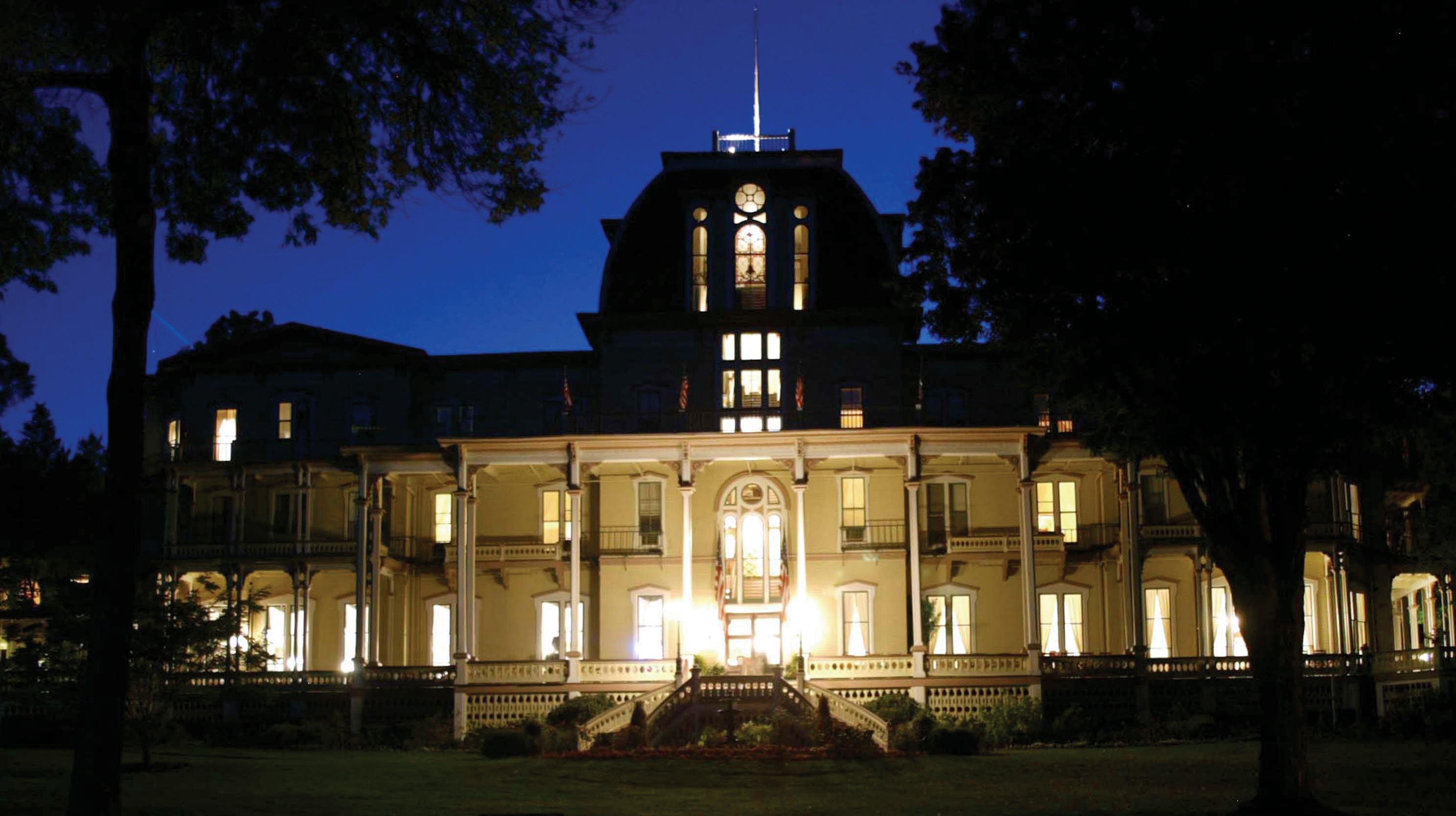
CE Lecture Details Wednesday-Friday, June 27-29, 2012 8:00am coffee & juice, 9:00am lecture daily 12 CE hrs avail ADA/CERP Tuition... Dentist $225/3 days or $95/day Dental team member $125/3 days or $55/day Location Hall of Christ on the grounds of Chautauqua Institution near Jamestown, NY 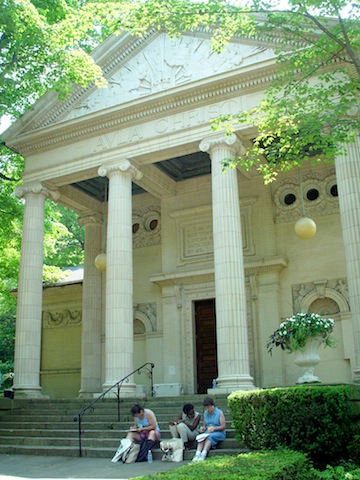 Click here to see venue information/directions, etc. online Special thanks for the educational grants provided by the following companies in support of the Chautauqua Dental Congress!  Thursday Evening * 5:30pm Plan to join us in the Parlour of the Athenaeum Hotel for a Welcome Reception hosted by Dental Congress Director Dr. Seb Ciancio and his wife, Marilyn. Guests and friends are welcome! Don't wait! ... MAKE OVERNIGHT RESERVATION NOW! Accommodations in Chautauqua sell-out quickly! Accommodations at Chautauqua range from hotel rooms to apartments, condominiums, private houses and historic rooming houses. Find the accommodation that fits your needs online How do I plan my Chautauqua vacation? Call (716-357-6250) customer service for accommodations and ticketing information. Special group gate tickets pricing (10% discount!) |
|
33rd Annual Chautauqua Dental Congress June 27 - 29, 2012 Hall of
Christ, Chautauqua Institution
Wednesday, June 27, 2012 Records, Regulations and Ethics for the Chester J. Gary, DDS, JD
Course Benefits:
Case types include:
Intended Audience Thursday June 28, 2012
The Technology Revolution... Effects on Restorative Dentistry Jane D. Brewer, DDS, MS The practice of restorative dentistry today bears little
resemblance to that of decades past. Fifty years ago, first generation bonding
systems were just being introduced and porcelain fused to metal crowns and
bridges were "state-of-the-art". Today, driven in large part by
patient desires for the perfect smile, medical and industrial technologies are
being adapted to the needs of the restorative dentist. This presentation will review current and emerging
technologies used both to restore teeth and to replace missing teeth. Through a
series of case presentations, we will review adhesive technology and bonding
systems, replacement of both physical impressions and interim restorations with
digital impressions and the use of CAD/CAM technologies to produce precision
milled restorations "in about an hour". We will also discuss current implant
dentistry including the use of cone beam computerized tomography (CBCT) for
three-dimensional radiographic diagnosis, treatment planning, and the
fabrication of surgical guides for dental implant surgery. Course objectives 1. Discuss minimally invasive techniques for restoring teeth 2. Discuss currently available technology for color and shade matching 3. Discuss the process digital impressions and CAD CAM restorations 4. Present conservative alternatives to traditional crown and bridge techniques 5. Review the role of dental implants in a comprehensive restorative treatment plan 6. Explain the use of CBCT in treatment planning and placement of dental implants 7. Discuss challenges and benefits these technologies present for dental education Friday, June 29, 2012 Our Aging Population: Periodontal Considerations Sebastian G. Ciancio. DDS As our population ages, the use of medications increases
significantly. A number of these
medications may impact oral health, which in turn can affect general
health. In view of this, dental
professionals and patients can expect to encounter oral side effects from use
of these medications. You must be aware of medication related problems and
their impact on diagnosis and treatment planning of dental health problems.
Also patients must be cognizant of these potential adverse effects on their
oral health so that they can seek appropriate care as soon as possible. Since seniors
use almost 30% of over-the-counter and prescription drugs, drug interactions
are a concern. When these patients ask what products they should use for
better oral health, you should be able to provide evidence based answers! When they are taking a variety of medications
and present with changes in oral tissues, are these changes medication related?
Learning Objectives
This Program is of interest to dentists, hygienists and
dental assistants. All information presented is evidence based and reading
references are provided. This program is designed to help dental practitioners
become knowledgeable about oral manifestations of systemic agents as well as on
the latest therapeutic, non-prescription oral healthcare products, including
mouth rinses and herbal agents as well as periodontal considerations for
implants. |

University at Buffalo CDE * 327 Squire Hall * Buffalo, NY 14214
Phone 716.829.2320 * Fax 716.829.2484 * Toll free 800.756.0328